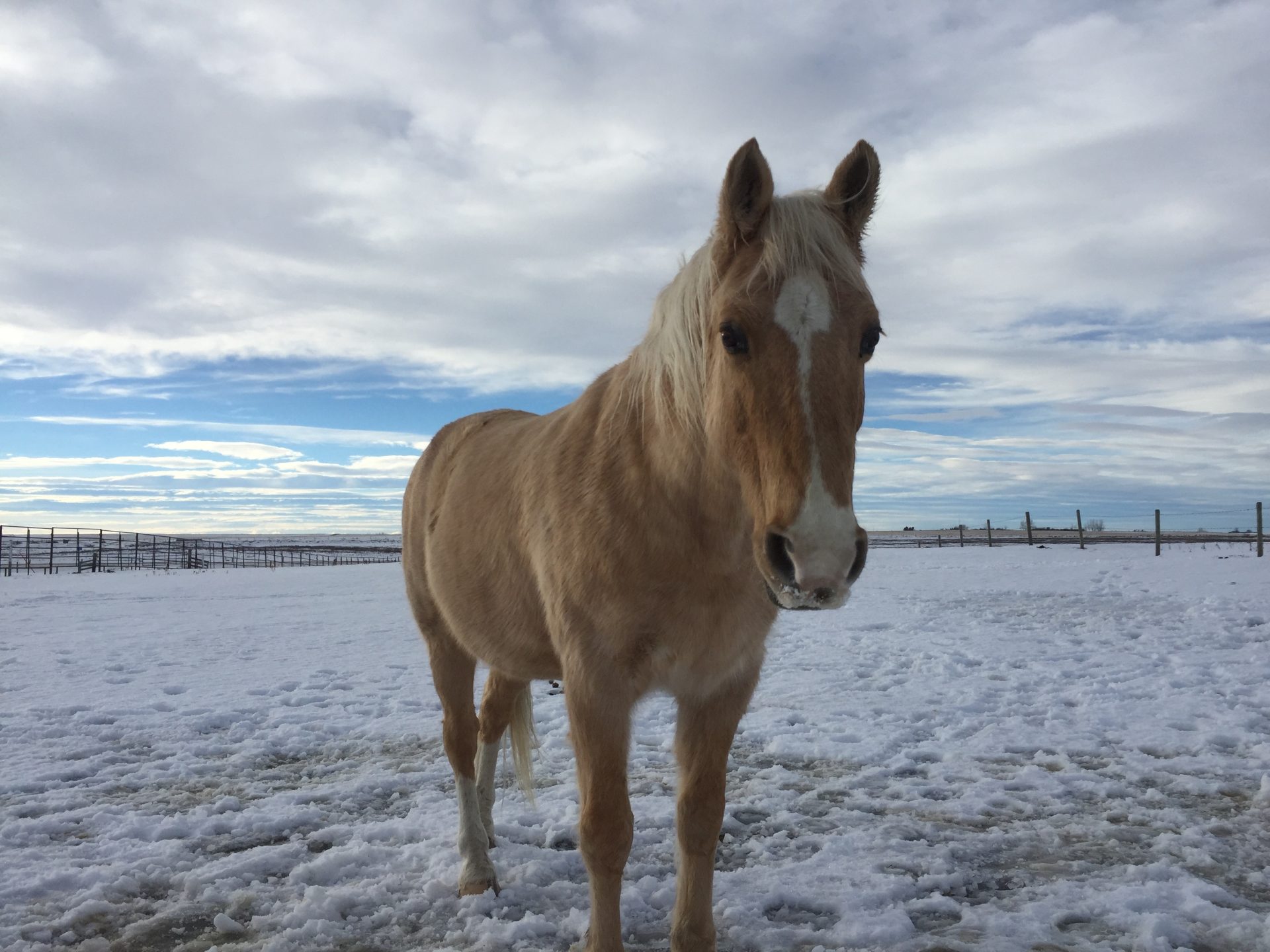
At Equine Connection, we often remind our students and facilitators of something simple yet profound. Humans speak thousands of different languages across the globe. Horses speak just one.
That’s right. No matter where you are in the world, no matter the breed, no matter the culture, a horse will always communicate in the same universal language. And when we as humans take the time to understand this language, everything changes.
Why One Language Matters
As people, we tend to put our “human-isms” onto horses. We say things like “he loves me,” “she’s mad at me,” or “he’s being stubborn.” But horses don’t think like humans. Their brains are not wired that way. When we project our human thoughts and feelings onto them, it’s like putting words into someone else’s mouth.
The truth is that horses are incredibly clear communicators. Their language is consistent, direct, and honest. They do not sugarcoat. They do not pretend. And they never speak two different languages depending on where they are in the world.
Once you understand the signals, the movement of energy, the position of the body, the smallest flick of an ear or shift of the head, you realize that the horse is speaking to you constantly. The question is, are you listening?
The Power of Understanding
When facilitators learn to understand a horse’s language, they step into a whole new level of professionalism. Suddenly you know when a horse is asking for your help, when they are comfortable, when they are concerned, and when they are teaching a human something essential.
This is why equine assisted learning is so powerful. The horse is always the teacher. And their lessons land deeply with humans because they are grounded in honesty, safety, and connection.
But here’s the key. Before we can help our clients learn from the horse, we must commit to learning the horse’s true language, not myths, not old cowboy traditions, not habits passed down without question. Their actual language.
A Call for Humility
Horses forgive. Horses accept. Horses even put up with things they don’t like. But acceptance is not the same as enjoyment. Just because a horse has desensitized to something does not mean they love it.
As humans, we have to be humble enough to admit when we are wrong and open enough to learn a new way. It takes practice, awareness, and patience. But when we get it right, the results are breathtaking.
Proof is in the Herd
One of the most exciting things about traveling and training with horses around the world is that the language always works. Whether with a large horse, a miniature, or a completely new herd, the signals are the same.
When a horse feels safe, you can see it in their body. When they feel unsure, you can see that too. The more you practice listening, the more fluent you become.
And here’s the beautiful part: as you learn to communicate clearly in the horse’s language, you also become more aware of your own body language, your own energy, and the impact you have on others. Horses teach us how to live better, more honest, more connected lives.
Our Responsibility
We owe it to horses to understand them, to respect their world, and to stop putting human labels on their behaviour. Horses will never think like us. They are not meant to. But we can learn to think more like them.
At Equine Connection, our certification programs are built on this foundation. Every lesson, every skill, every facilitation method begins with one truth: the horse speaks one language.
It is up to us to learn it.